

There’s a saying in trading circles: history repeats itself. At first glance, it might sound like a cliché. But when you dig deeper, you realize it’s not about destiny—it’s about psychology.
Markets aren’t ruled by charts or algorithms alone. They’re ruled by people. And people, despite centuries of progress, still move in patterns of fear, greed, doubt, and euphoria.
Whoever tells you that #altseason might not happen this year needs to read more books.
— I’m next on the line (@cryptoradar92) September 23, 2025
Or if you want to save your time, read this 👇
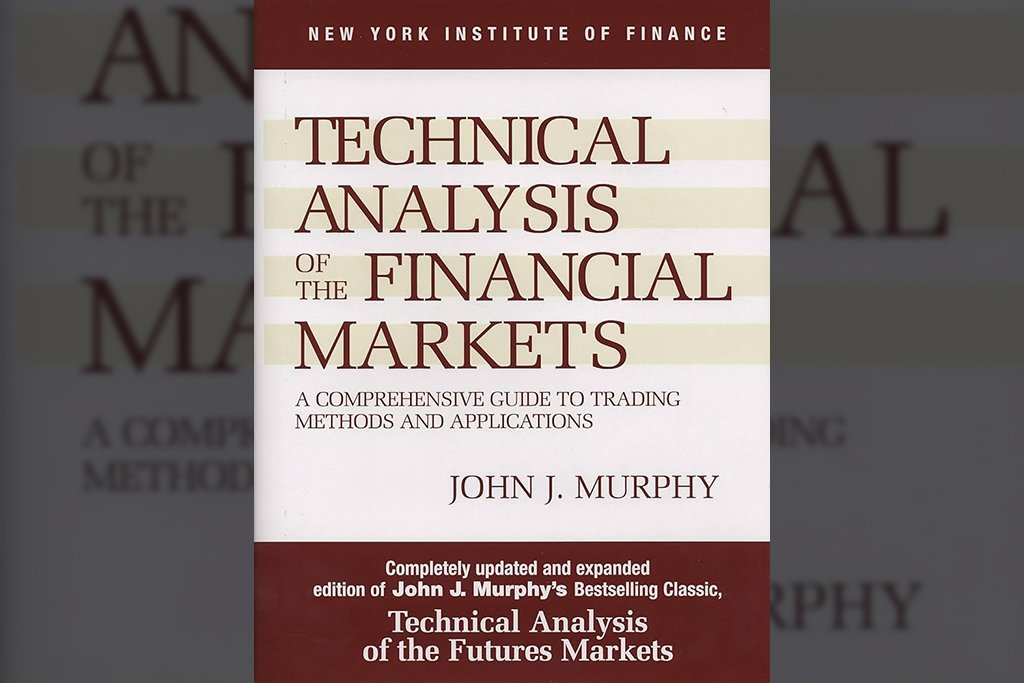
source: Technical Analysis of the Financial Markets (John J. Murphy) 1999. pic.twitter.com/KJ2UQYeI9f
The psychology behind the charts
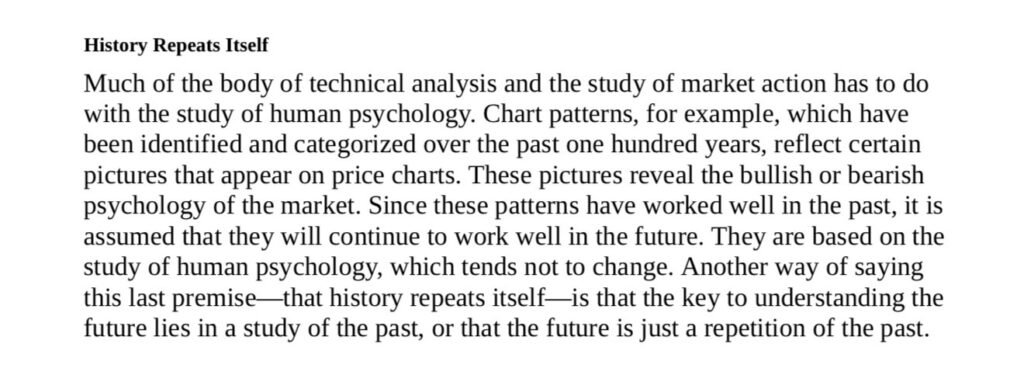
Technical analysis, the backbone of trading for over a century, is essentially the study of human behavior written in price charts. Chart patterns—triangles, flags, head and shoulders—are not magic. They’re reflections of how crowds behave under stress or excitement.
Every spike and every crash shows us that when uncertainty grows, fear takes over. When opportunity seems limitless, greed fuels the rise. That’s why patterns identified 100 years ago still appear today. Human psychology hasn’t changed—and probably never will.
Why crypto is no different
If this sounds familiar, it’s because we’ve already seen it play out in crypto. Bitcoin had its bubbles and crashes, and each time people swore it was over. Ethereum went through cycles of hype, corrections, and growth, only to come back stronger each time.
And here’s the key: every time the noise fades, innovation remains.
The cycles repeat because psychology repeats. But the projects that survive those cycles are the ones grounded in real technological breakthroughs.
🗣️If this post shows up on your feed, it’s because you need to hear it.
— Qubic Magazine ױ (@Qubic_Magazine) September 23, 2025
History repeats itself because human psychology doesn’t change.
Fear, greed, and euphoria drive markets, and that’s why chart patterns keep coming back.
Crypto is no different. We saw it with Bitcoin,… https://t.co/GkJuN0TSj1
Enter Qubic
Now the spotlight is shifting toward Qubic.
Unlike the static blockchains of the past, Qubic introduces a new paradigm: uPoW, decentralized AI, and Oracle Machines. This isn’t just about faster transactions or cheaper fees. It’s about building intelligence into the very fabric of a blockchain network.
But don’t be fooled—Qubic will not escape the cycles. Hype will rise, doubt will follow, corrections will shake weak hands, and growth will return stronger. It’s the rhythm of markets, the echo of human psychology at work.
The signal in the noise
So what’s the lesson? The same one that technical analysis has whispered for a century: if you understand the past, you can see the shape of the future.
History repeating doesn’t mean every detail is identical. It means the forces at play—fear, greed, conviction—are timeless. That’s why the charts of the past look eerily like the charts of today.
For Qubic, this means one thing: focus on the signal, not the noise. The innovation is real. The paradigm shift is undeniable. But the path won’t be a straight line—it will be a cycle.
Innovation always wins
Markets will rise and fall, narratives will swing from euphoria to despair. But in the long run, history tells us what happens: true innovation wins.
It happened with Bitcoin. It happened with Ethereum. And if the signal is right, it will happen with Qubic.
Because while human psychology repeats, technology evolves. And every so often, a project comes along that doesn’t just ride the cycle—it redefines it.


